
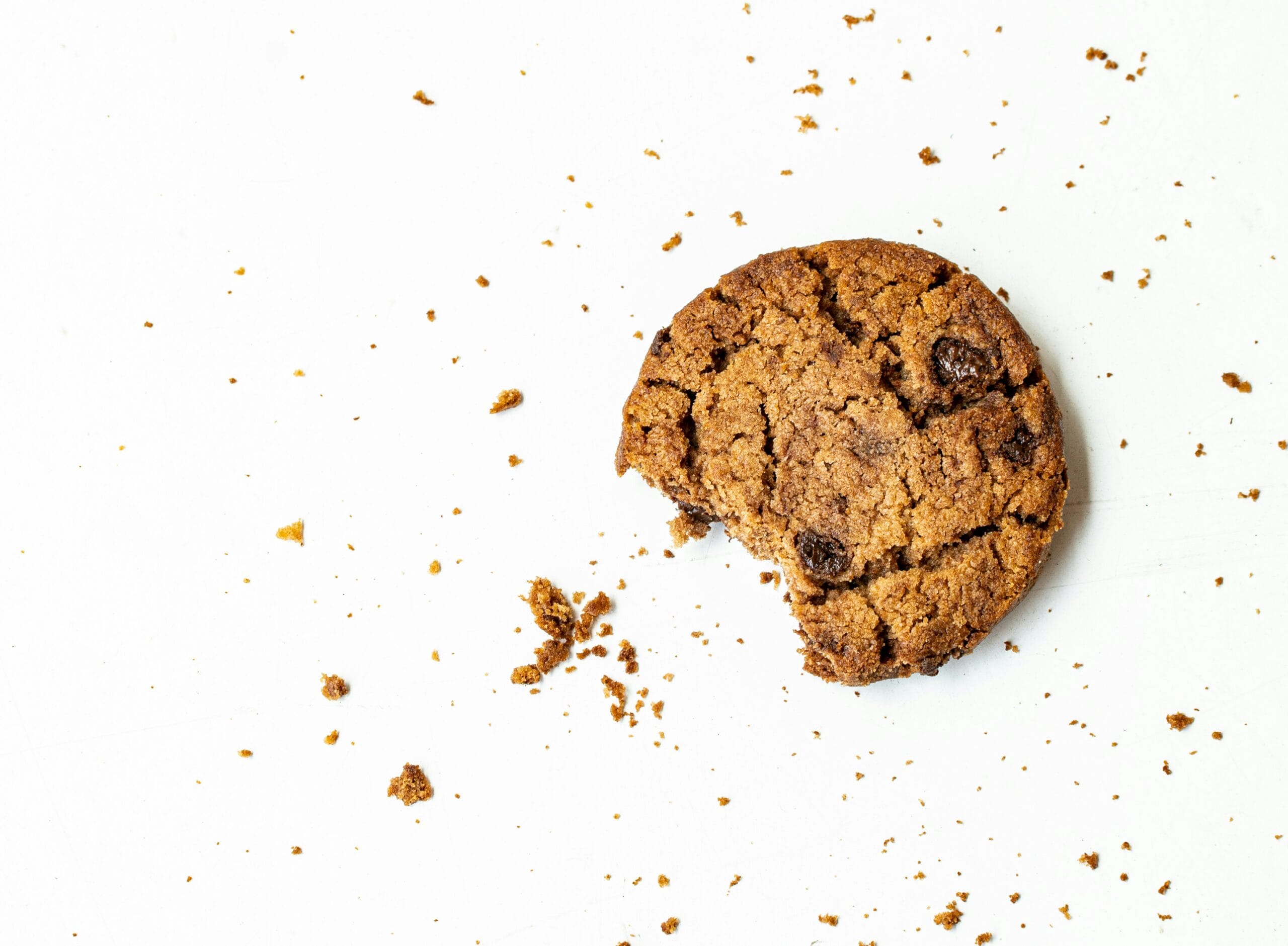
Few homemade desserts are as comforting and universally appealing as a classic chocolate chip cookie. With golden edges, a soft and chewy center, rich buttery flavor, and generous pieces of chocolate in every bite, a well-made chocolate chip cookie can turn a simple snack into a memorable treat. While the ingredients are basic, the technique behind a great cookie is worth understanding.
The best classic chocolate chip cookie recipe depends on achieving the right balance between sweetness, texture, and flavor. Butter provides richness, brown sugar contributes moisture and chewiness, granulated sugar helps create crisp edges, and flour gives the cookies their structure. Eggs bind everything together, while vanilla and salt enhance the overall flavor.
Whether you are baking cookies for your family, preparing a dessert for guests, or simply craving something homemade, this recipe offers a dependable method for making delicious chocolate chip cookies. If you’re short on time, our quick chocolate chip cookies for busy weeknights or easy one-bowl cookie recipe are worth bookmarking too. This guide covers practical baking tips, storage advice, and easy variations.
Why This Recipe Works
A successful chocolate chip cookie is all about balance. Using only one type of sugar can produce a cookie with a less complex texture, while the combination of brown sugar and granulated sugar creates a satisfying contrast between a slightly crisp exterior and a softer center.
Brown sugar contains more moisture than white sugar, which helps keep cookies chewy. Granulated sugar contributes crispness and encourages browning around the edges. Butter adds both flavor and tenderness, while the eggs provide structure and moisture.
The amount of flour is also important. Too much flour can produce dry, dense cookies, while too little can cause excessive spreading. Measuring flour accurately is therefore one of the simplest ways to improve your results.
Finally, the baking time should be carefully controlled. Chocolate chip cookies often continue cooking after they leave the oven, so removing them when the centers still look slightly soft is usually the best way to achieve a tender middle.
Ingredients for Classic Chocolate Chip Cookies
For approximately 24 medium-sized cookies, gather the following ingredients:
- 1 cup (226 grams) unsalted butter, softened
- 3/4 cup (150 grams) granulated sugar
- 3/4 cup (165 grams) packed brown sugar
- 2 large eggs
- 2 teaspoons vanilla extract
- 2 1/2 cups (315 grams) all-purpose flour
- 1 teaspoon baking soda
- 1/2 teaspoon salt
- 2 cups (340 grams) semisweet chocolate chips
Optional ingredients include chopped walnuts or pecans. You can also substitute some of the semisweet chocolate chips with dark chocolate, milk chocolate, or chocolate chunks.
How to Make the Best Chocolate Chip Cookies
1. Prepare the Oven and Baking Sheets
Begin by preheating the oven to 350°F (175°C). Line baking sheets with parchment paper to prevent the cookies from sticking and to make cleanup easier.
If parchment paper is unavailable, lightly grease the baking sheets. Avoid applying too much butter or oil because excessive grease can encourage the cookies to spread.
Make sure the oven has fully reached the correct temperature before baking. An oven that is too cool can cause the cookies to spread excessively, while an oven that is too hot may brown the outside before the center has finished baking.
2. Cream the Butter and Sugars
Place the softened butter, granulated sugar, and brown sugar in a large mixing bowl. Beat the ingredients together until the mixture is smooth, creamy, and slightly lighter in appearance.
Using softened butter is important. It should be soft enough to press easily with a finger but should not be melted or oily. If you like the deeper, nutty flavor that comes from browning the butter first, our brown butter chocolate chip cookies recipe walks through the technique.
Creaming the butter and sugar helps create the desired texture by incorporating a small amount of air into the mixture. However, there is no need to mix for an excessive amount of time.
3. Add the Eggs and Vanilla
Add the eggs one at a time, mixing after each addition. Once both eggs have been incorporated, add the vanilla extract.
Scrape the sides and bottom of the bowl with a spatula to make sure everything is evenly mixed. At this stage, the mixture should look creamy and relatively smooth.
4. Mix the Dry Ingredients
In a separate bowl, combine the flour, baking soda, and salt. Whisk them together so the baking soda and salt are distributed evenly throughout the flour.
This simple step helps prevent concentrated areas of baking soda or salt from ending up in individual cookies.
5. Combine the Wet and Dry Ingredients
Gradually add the dry ingredients to the butter mixture. Mix on low speed or stir by hand until the flour is almost completely incorporated.
Avoid overmixing once the flour has been added. Excessive mixing can develop gluten and result in cookies that are tougher than intended.
The dough should be thick and soft. If you are adding nuts, they can be folded in at this stage — see our easy walnut chocolate chip cookies for a nut-forward variation.
6. Add the Chocolate Chips
Fold the chocolate chips into the dough using a wooden spoon or spatula.
Try to distribute the chocolate evenly throughout the dough. This ensures that each cookie contains a good balance of dough and chocolate.
Semisweet chocolate chips are a traditional choice because they provide enough sweetness without making the cookies excessively sugary. Chocolate chunks can also be used if you prefer larger pockets of melted chocolate — for an extra-chocolatey take, try our double chocolate chip cookies.
7. Portion the Dough
Use a cookie scoop or tablespoon to divide the dough into evenly sized portions. Place the portions on the prepared baking sheet, leaving about 2 inches of space between them.
Consistent portions help the cookies bake evenly. If some cookies are much larger than others, the smaller ones may become overbaked before the larger ones are finished.
For thicker cookies, chill the dough before baking — see our dedicated thick chocolate chip cookies guide. For slightly thinner cookies with more spread, the dough can be baked immediately, or check out our mini chocolate chip cookies for a bite-sized version.
8. Bake Until Golden Around the Edges
Bake the cookies for approximately 10 to 12 minutes.
The edges should be lightly golden, while the centers should still look somewhat soft. This is an important detail because the cookies continue to cook from residual heat after being removed from the oven.
If you prefer softer cookies, remove them closer to 10 minutes. If you prefer crispier cookies, allow them to bake slightly longer — or see our full crispy chocolate chip cookies recipe for a version built specifically for crunch.
Avoid relying only on the clock. Different ovens, baking sheets, and cookie sizes can affect the exact baking time.
9. Let the Cookies Cool
Allow the cookies to remain on the baking sheet for approximately 5 minutes after removing them from the oven. They will continue to firm up during this time.
Afterward, transfer them to a wire rack to cool completely.
Although it can be tempting to eat them immediately, allowing the cookies to rest helps them develop a better texture and makes them easier to handle.
How to Make Soft and Chewy Chocolate Chip Cookies
If your ideal cookie is soft and chewy, several techniques can help.
First, make sure you use enough brown sugar. Its moisture contributes to a softer texture. Avoid replacing all of the brown sugar with granulated sugar if chewiness is your priority.
Second, avoid overbaking. Cookies should generally be removed from the oven while their centers still appear slightly underdone. They will continue setting as they cool.
Third, measure the flour carefully. Excess flour absorbs moisture and can result in a dry or firm cookie.
Finally, chilling the dough can help create thicker cookies. Refrigerating the dough for at least 30 minutes allows the butter to firm up and reduces spreading during baking.
How to Make Crispy Chocolate Chip Cookies
For cookies with crisp edges and a crunchier texture, bake them slightly longer and allow them to cool completely before serving.
Granulated sugar also contributes to crispness, so adjusting the balance between granulated sugar and brown sugar can affect the final result.
A cookie baked for an additional minute or two can become noticeably crispier, but keep a close eye on the edges because they can go from golden to overly browned quickly.
Should You Chill Chocolate Chip Cookie Dough?
Chilling cookie dough is not always necessary, but it can improve the final result.
When dough is chilled, the butter becomes firmer. This slows the rate at which the cookies spread in the oven, which can result in thicker cookies with a more concentrated flavor.
Chilling can also give the flour additional time to absorb moisture from the dough. This may create a more developed texture.
For convenience, you can prepare the dough several hours before baking and keep it covered in the refrigerator. If the dough becomes very firm, allow it to sit at room temperature briefly before portioning it.
A quick safety note: raw cookie dough shouldn’t be eaten before baking — it can contain raw eggs and untreated flour, both of which carry a risk of foodborne illness. The FDA’s guidance on raw dough explains why, and it’s worth a read if you or your family like to sneak a taste of the dough.
Common Chocolate Chip Cookie Mistakes
Using Melted Butter
Melted butter can cause cookies to spread more than expected. Unless a recipe specifically calls for melted butter, softened butter is usually the safer choice for a traditional cookie.
Adding Too Much Flour
Too much flour is one of the most common causes of dry chocolate chip cookies. Whenever possible, measure flour by weight — King Arthur Baking’s guide to measuring flour is a reliable reference if you want to get this exactly right.
If measuring with cups, avoid packing the flour down. Gently spoon it into the measuring cup and level the top.
Overmixing the Dough
Once flour has been incorporated, mix only until the ingredients come together. Overmixing can make the finished cookies tougher.
Overbaking
Cookies do not need to look completely firm when they leave the oven. The centers should retain some softness because the cookies continue to cook as they cool.
Baking on a Hot Baking Sheet
If you are making several batches, allow the baking sheet to cool before adding another round of dough. A hot baking sheet can cause the butter in the dough to melt prematurely and lead to excessive spreading.
How to Store Chocolate Chip Cookies
Once the cookies have cooled completely, place them in an airtight container at room temperature.
For the best texture, keep the container properly sealed. Exposure to air can gradually cause cookies to become stale or lose their desired softness.
If you prefer warm cookies, individual cookies can be gently reheated for a few seconds before serving. Be careful when handling them immediately afterward because the chocolate can become very hot.
Can Chocolate Chip Cookie Dough Be Frozen?
Chocolate chip cookie dough freezes well and can be prepared in advance.
The easiest method is to portion the dough into individual balls before freezing. Arrange the portions on a tray and freeze them until firm. Once frozen, transfer them to an airtight freezer-safe container or bag.
When you are ready to bake, place the frozen portions on a lined baking sheet and bake according to the recipe, adding a little extra time if necessary.
Freezing individual portions also makes it easy to bake only as many cookies as you need instead of preparing an entire batch at once.
Easy Chocolate Chip Cookie Variations
The classic recipe can be customized without changing its basic structure.
Chocolate Chunk Cookies — Replace some or all of the chocolate chips with chopped chocolate. Larger pieces create irregular pockets of melted chocolate throughout the cookies.
Nutty Chocolate Chip Cookies — Add chopped walnuts or pecans for extra crunch. Toasting the nuts lightly before adding them can provide a deeper flavor. See our easy walnut chocolate chip cookies for a full version.
Dark Chocolate Cookies — Use dark chocolate chips for a richer and less sweet flavor. Dark chocolate pairs especially well with the buttery cookie base.
Milk Chocolate Cookies — Milk chocolate creates a sweeter, creamier cookie that can be particularly appealing to children and anyone who prefers a milder chocolate flavor.
Salted Chocolate Chip Cookies — A small amount of flaky salt sprinkled over the cookies before or immediately after baking can provide a pleasant contrast to the sweetness.
No Brown Sugar? — If you’re out of brown sugar, our chocolate chip cookies without brown sugar recipe shows how to still get great results.
Dairy-Free? — For a dairy-free version that keeps the same soft, chewy texture, see our soft and chewy dairy-free chocolate chip cookies.
Tips for Consistent Results
A few simple habits can make your chocolate chip cookies more reliable from one batch to the next.
- Use ingredients at the temperatures specified in the recipe.
- Measure flour accurately.
- Use evenly sized portions of dough.
- Leave enough space between cookies.
- Avoid overmixing after adding flour.
- Do not overbake the cookies.
- Allow cookies to cool before storing them.
- Let baking sheets cool between batches.
- Use good-quality chocolate for the best flavor.
Consistency is especially important when baking cookies for a gathering. Uniform dough portions will produce cookies that look and bake more evenly.
Frequently Asked Questions
Why did my chocolate chip cookies spread too much?
Cookies may spread excessively if the butter is too warm, the dough contains insufficient flour, or the baking sheet is too hot. Chilling the dough before baking can help reduce spreading.
Why are my cookies too dry?
Dry cookies are often caused by excessive flour or overbaking. Measure the flour carefully and remove the cookies when the centers are still slightly soft.
Can I use salted butter?
Yes. Salted butter can be used, but you may want to reduce the amount of additional salt in the recipe to maintain the intended flavor balance.
Can I make smaller cookies?
Yes. Simply use smaller portions of dough and reduce the baking time. Smaller cookies can bake quickly, so watch them carefully toward the end of baking — or use our mini chocolate chip cookies recipe, which is built for this.
Why are my cookies cakey?
Cakey cookies can result from too much flour, excessive mixing, or differences in ingredient ratios. Accurate measurements and gentle mixing can help produce a more traditional chewy texture.
How do I keep chocolate chip cookies soft?
Store completely cooled cookies in an airtight container. Avoid leaving them exposed to air for long periods, as this can cause them to lose moisture and become stale.
Final Thoughts
A classic chocolate chip cookie does not require complicated ingredients or advanced baking techniques. The secret is paying attention to the details that influence texture and flavor.
Softened butter, a combination of brown and granulated sugar, accurately measured flour, quality chocolate chips, and careful baking create a dependable foundation for delicious homemade cookies. The most important step is knowing when to remove them from the oven. Slightly soft centers will continue to set as the cookies cool, helping create the tender texture that makes classic chocolate chip cookies so appealing.
Once you are comfortable with the basic recipe, you can experiment with different types of chocolate, nuts, baking times, and chilling methods. Whether you prefer thin and crispy cookies or thick and chewy ones, understanding the role of each ingredient makes it easier to adjust the recipe.
With a little attention to technique, this classic chocolate chip cookie recipe can become a reliable favorite for everyday snacks, family gatherings, holidays, and special occasions.

