
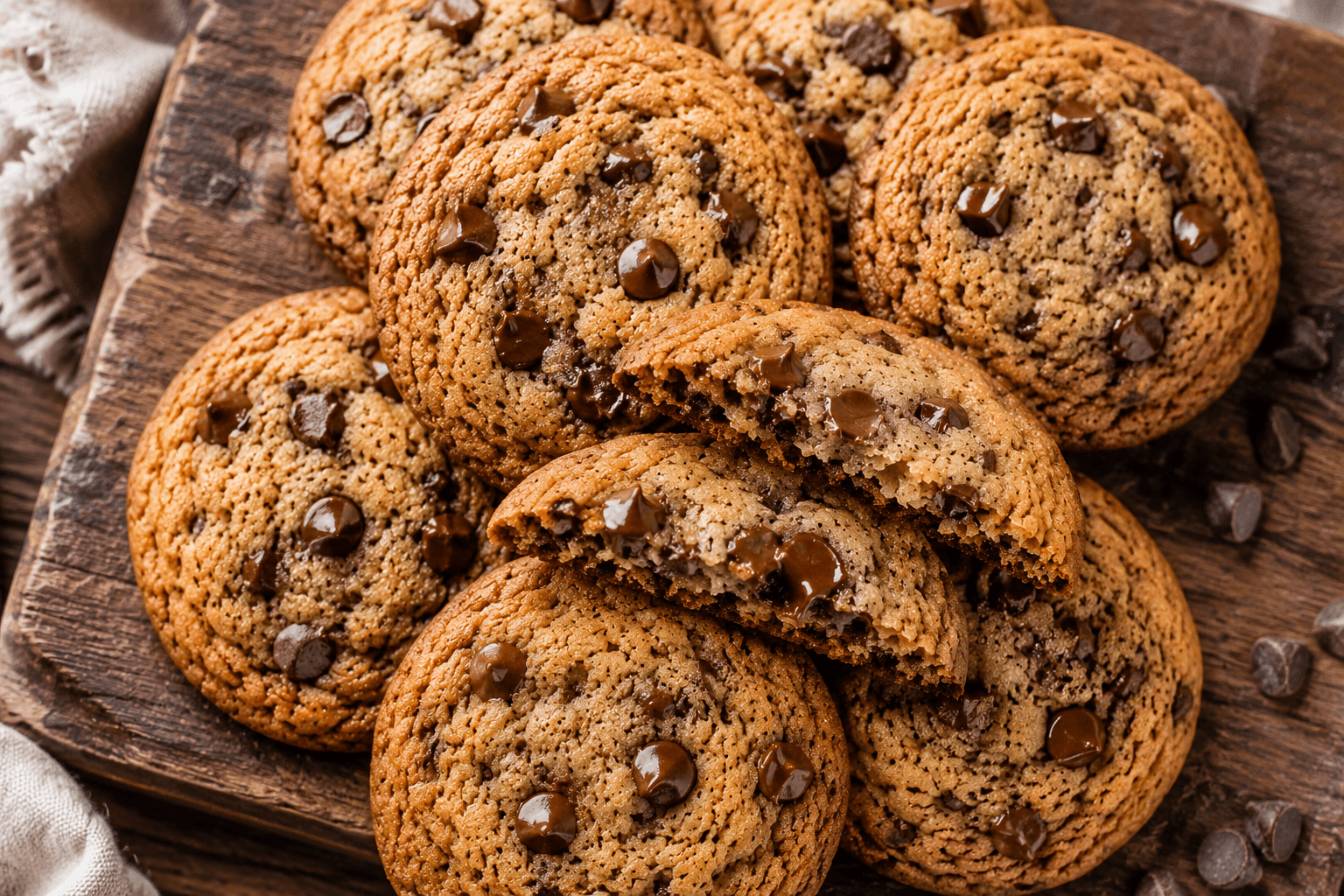
There’s a moment every home baker knows: you pull a tray of cookies out of the oven, let them cool for exactly the wrong amount of time, and bite in expecting a satisfying crack – only to get a soft, doughy disappointment. That happened to me more times than I’d like to admit before I finally cracked the code on crispy chocolate chip cookies.
I’ve baked this recipe more than fifty times over the past few years, tweaking ratios, oven temps, and techniques until I landed on something that delivers a reliable, edge-to-edge crunch every single time. Below you’ll find the full recipe card, the science behind the crunch, storage and freezing tips, variations to try, and answers to the questions readers ask most.
Recipe Card
Prep Time: 15 minutes Cook Time: 13 minutes Total Time: 28 minutes (plus optional 30-minute chill) Yield: 24 cookies Servings: 24 (1 cookie per serving) Calories: 145 kcal per cookie Course: Dessert, Snack Cuisine: American Keyword: crispy chocolate chip cookies, crunchy chocolate chip cookies
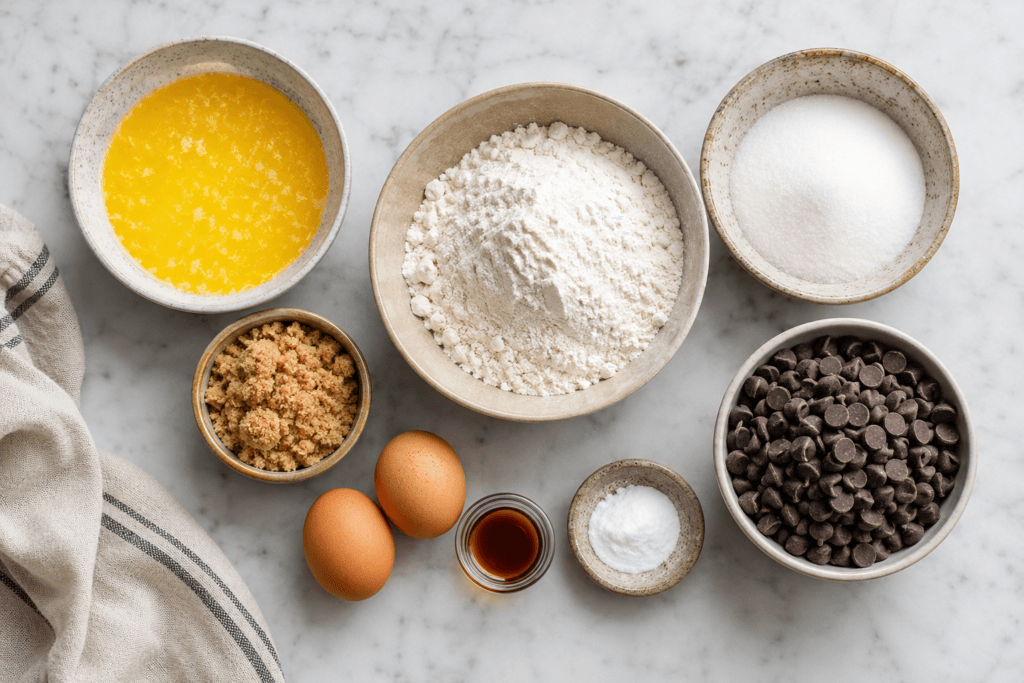
Everything you need to make crispy chocolate chip cookies from scratch.
Equipment
- Mixing bowl (large)
- Hand mixer or whisk
- Cookie scoop (1.5 tablespoon size)
- Baking sheet
- Parchment paper
- Wire cooling rack
- Measuring cups and spoons
Ingredients
- 1 cup (225g) unsalted butter, melted and slightly cooled – European-style butter, which has a slightly higher fat content, gives an even crisper edge
- 1 cup (200g) granulated white sugar
- 1/2 cup (100g) light brown sugar, packed – keep this on the lower side; more brown sugar pulls the texture toward chewy
- 2 large eggs
- 1 teaspoon vanilla extract
- 2 1/4 cups (280g) all-purpose flour – use the spoon-and-level method, not a scooped measure, to avoid excess flour
- 1 teaspoon baking soda
- 1/2 teaspoon salt
- 1 1/2 cups (250g) chocolate chips – semi-sweet chips give the best balance against the sweetness of the dough; dark chocolate works if you prefer less sweetness
Instructions
- Preheat the oven to 350°F (175°C) and line two baking sheets with parchment paper.
- Whisk the melted butter with both sugars until smooth and glossy.
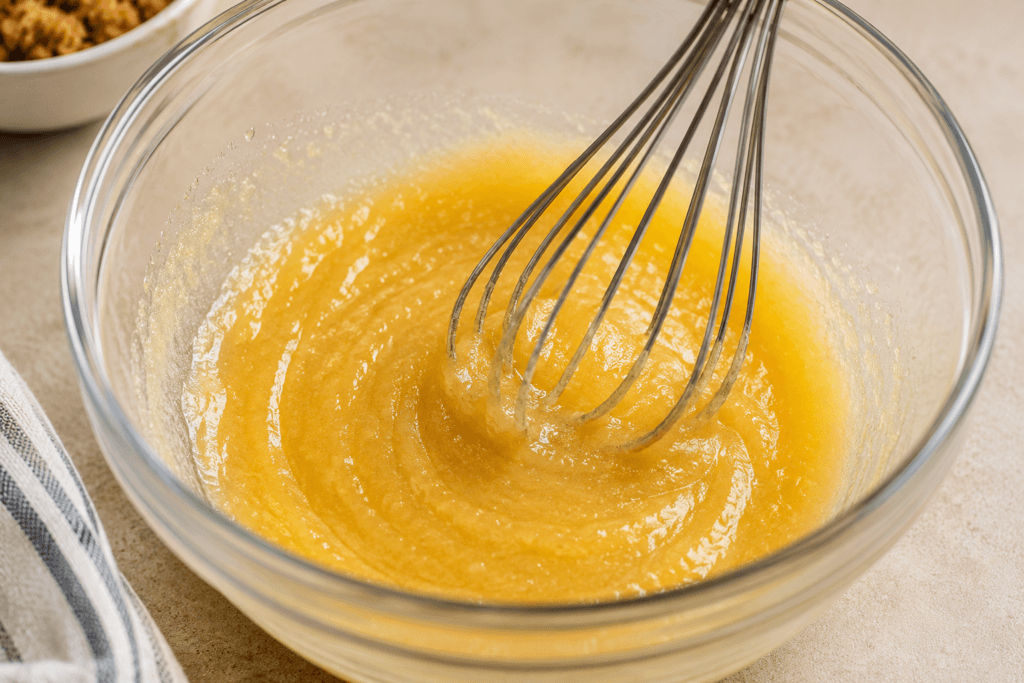
- Beat in the eggs one at a time, then stir in the vanilla extract.
- In a separate bowl, combine the flour, baking soda, and salt.
- Gradually fold the dry ingredients into the wet mixture until just combined – don’t overmix.
- Stir in the chocolate chips.
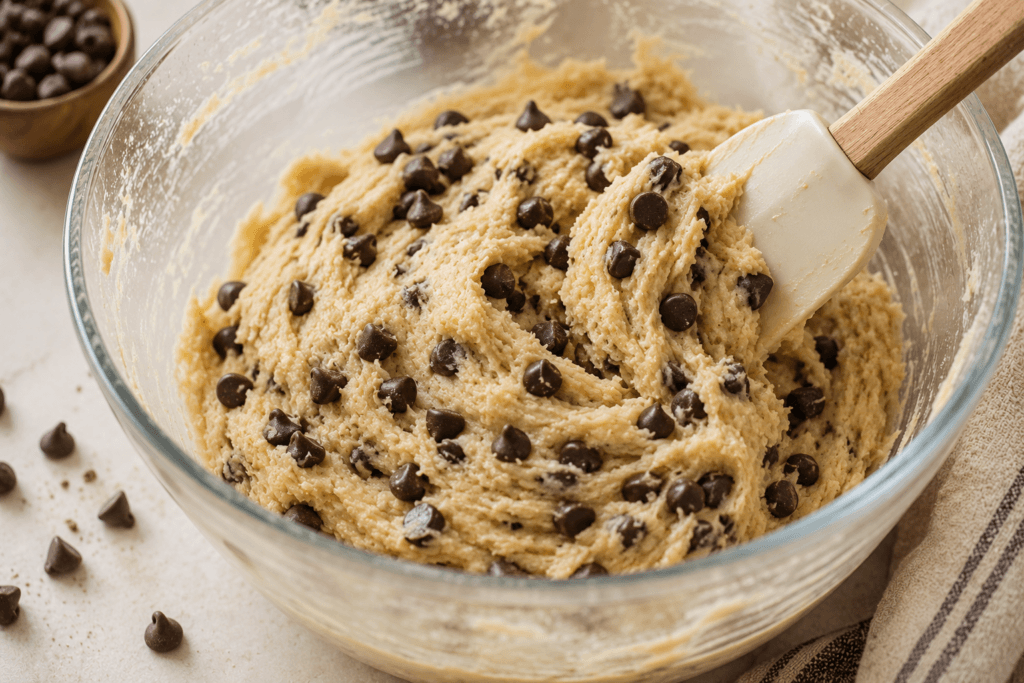
- Scoop small portions of dough (about 1.5 tablespoons each) onto the tray, spacing them at least 2 inches apart.
- Flatten each ball slightly with the back of a spoon – this single step makes a noticeable difference in even crisping.
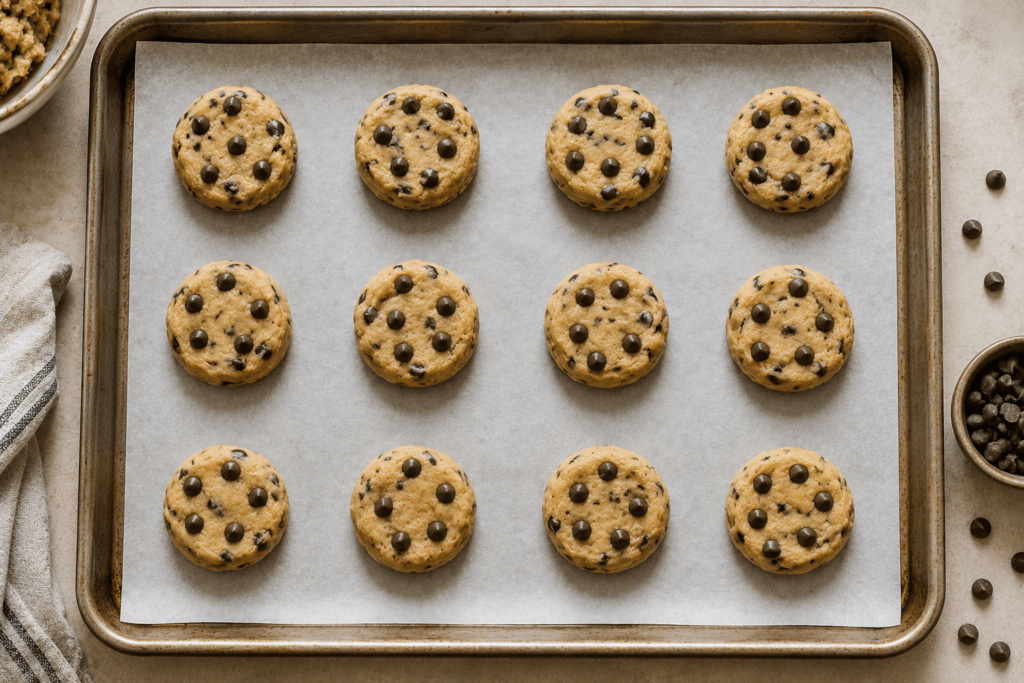
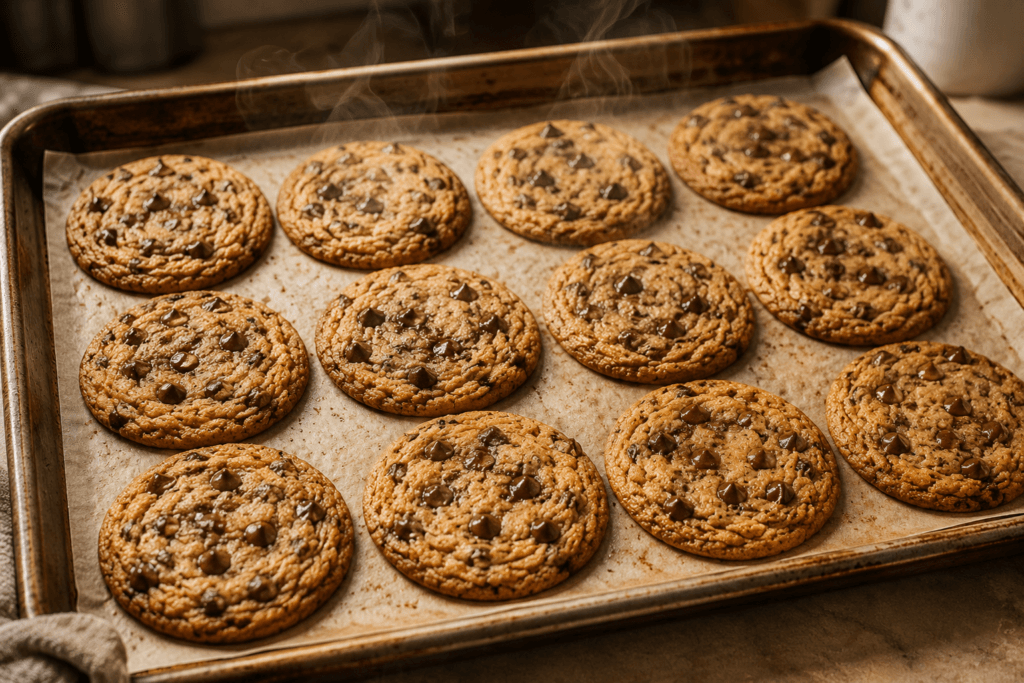
- Bake for 12–14 minutes, until the edges are deep golden brown and the centers look just set.
- Let the cookies cool on the tray for 5 minutes before transferring to a wire rack – they’ll continue to firm up as they cool.
Recipe Notes
- Make ahead: The dough can be mixed up to 3 days in advance and kept covered in the fridge.
- Refrigerating dough: Chilling the dough for 30 minutes before baking reduces spread slightly and deepens the flavor, though it’s optional for this recipe.
- Freezing baked cookies: Store fully cooled cookies in a freezer-safe bag for up to 3 months. Thaw at room temperature for 15–20 minutes.
- Freezing dough: Scoop dough balls onto a tray, freeze until solid, then transfer to a freezer bag. Bake straight from frozen, adding 1–2 extra minutes.
- Reheating: A quick 2–3 minutes in a 300°F (150°C) oven restores crispness better than a microwave, which softens cookies.
- High altitude adjustment: Above 3,000 feet, reduce baking soda by 1/4 teaspoon and increase oven temperature by 15°F to prevent excess spread.
- Humidity tip: In humid climates, store cookies with a food-safe silica packet or a few crackers in the container to absorb excess moisture.
- Best butter: European-style butter (higher fat, lower water content) produces a noticeably crisper edge than standard American butter.
- Best chocolate: Semi-sweet chips hold their shape well during baking; chopped chocolate bars melt more and create pooled pockets, which some readers prefer.
Nutrition (per cookie, approximate)
- Calories: 145 kcal
- Fat: 7g
- Carbohydrates: 19g
- Sugar: 12g
- Protein: 1.5g
- Fiber: 0.5g
- Sodium: 85mg
- Serving Size: 1 cookie (approx. 28g)
Nutrition values are estimates based on standard ingredient data and will vary depending on exact brands used.
The Science Behind a Crispy Cookie – And What Ruins It
Crispiness isn’t luck. It comes down to a handful of controllable factors in your dough and your oven.
What Creates Crispiness
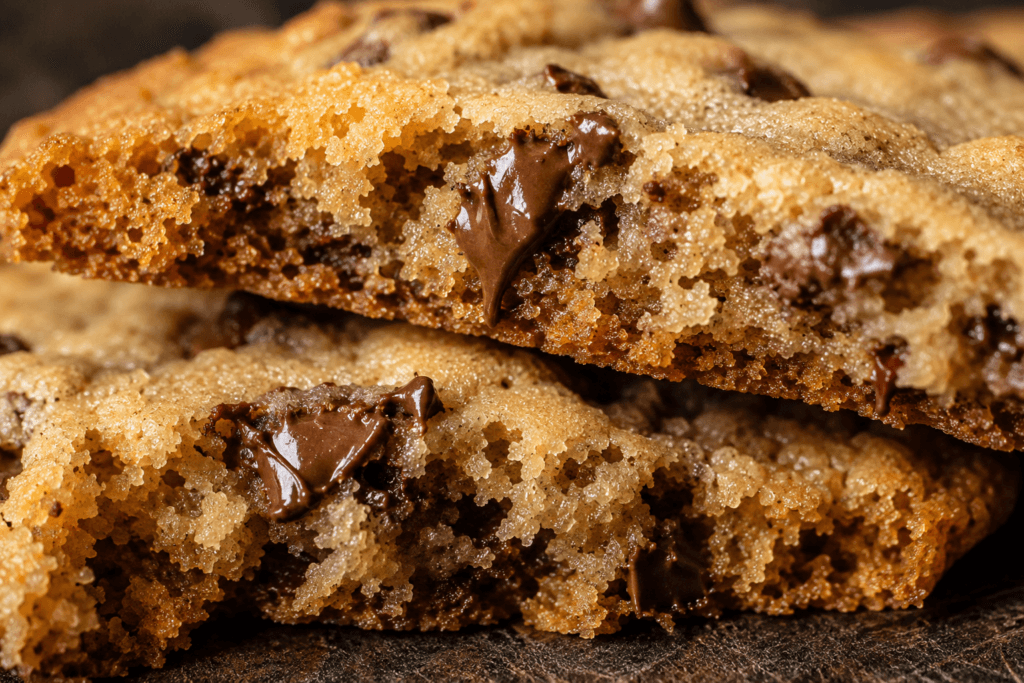
The biggest driver of texture is sugar ratio. Cookies with more white sugar than brown sugar spread thinner and crisp up faster, because white sugar doesn’t hold moisture the way brown sugar (with its molasses content) does. Melted butter, rather than creamed cold butter, also encourages spread — a thinner cookie bakes through more evenly, giving you that shatter-when-you-bite texture instead of a soft center. Finally, a slightly longer bake at a moderate temperature (around 350°F/175°C) lets the moisture evaporate fully before the edges burn.
Common Mistakes That Kill the Crunch
Even with a good recipe, a few small errors will pull your cookies back toward chewy or soft:
- Too much flour – packing the measuring cup adds excess flour, which traps moisture inside the cookie
- Underbaking – pulling cookies out the moment the edges look set almost always leaves the center soft after cooling
- Too much brown sugar – it’s more hydrating than white sugar, which works against crispiness
- Overcrowding the tray – cookies placed too close together steam each other instead of crisping
According to King Arthur Baking, dough temperature and butter consistency are two of the most underestimated variables in cookie texture – something I learned the hard way after an entire batch spread into one giant cookie sheet because my butter was too warm. For general guidance on baking ingredient safety and storage, the USDA FoodData Central database is a reliable reference for ingredient nutrition values used in recipes like this one.
My own first attempt at “crispy” cookies came out looking more like lace than cookies. I’d used melted butter and extra brown sugar, which was the worst possible combination – all spread, no structure. That failure is actually what pushed me to understand the ratios instead of guessing.
Pro Tips for Extra Crunch
If you want your cookies to have that bakery-style, deeply crunchy texture, a few extra details help:
- Use a light-colored, heavy-duty baking sheet – dark pans absorb more heat and can cause uneven browning
- Give cookies plenty of space so hot air circulates and edges crisp instead of steam
- Bake an extra 1–2 minutes past when you think they’re done – crispy cookies benefit from a slightly longer bake than chewy ones
- Shape your dough thinner rather than rounder for a texture similar to the crunchy style found in classic store-bought cookies like Famous Amos
I discovered the extra-bake-time trick almost by accident, after leaving a tray in for two minutes longer than usual while distracted. Those cookies turned out to be the crunchiest batch I’ve ever made, and I’ve baked that way intentionally ever since.
Crispy Chocolate Chip Cookies Without Eggs
If you’re out of eggs or baking for someone with an allergy, you can still get a crispy result with the right substitute:
- Flax egg (1 tablespoon ground flaxseed + 3 tablespoons water, rested for 5 minutes) works well and barely changes the flavor
- Condensed milk (2–3 tablespoons in place of one egg) adds sweetness and helps with spread, though it slightly increases chewiness
- Plain yogurt (3 tablespoons per egg) is a milder option that keeps the dough workable
When I tested the flax egg version, the cookies turned out nearly identical in crunch to the original – just very slightly less rich in flavor. It’s a reliable substitute if you want to keep the same texture without eggs. If you’re avoiding both eggs and dairy, my Dairy-Free Cookie Recipe covers a similar swap for butter as well.
Variations to Try
Once you’ve got the base recipe down, these small tweaks let you customize the flavor without changing the crispy texture:
- Double Chocolate: Add 2 tablespoons of cocoa powder to the dry ingredients for a deeper chocolate base
- Dark Chocolate Version: Swap semi-sweet chips for 60–70% dark chocolate chunks
- Mini Chip Version: Use mini chocolate chips for more even distribution in thinner cookies
- Sea Salt Version: Sprinkle flaky sea salt on top right before baking
- Nut Version: Fold in 1/2 cup chopped pecans or walnuts along with the chocolate chips
- Espresso Version: Add 1 teaspoon of instant espresso powder to the wet ingredients for a mocha undertone
- Holiday Version: Mix in crushed peppermint candy or swap in red and green mini chips for a festive look
How to Store Crispy Cookies to Keep Them Crunchy
Crispy cookies are more sensitive to humidity than chewy ones, so storage matters:
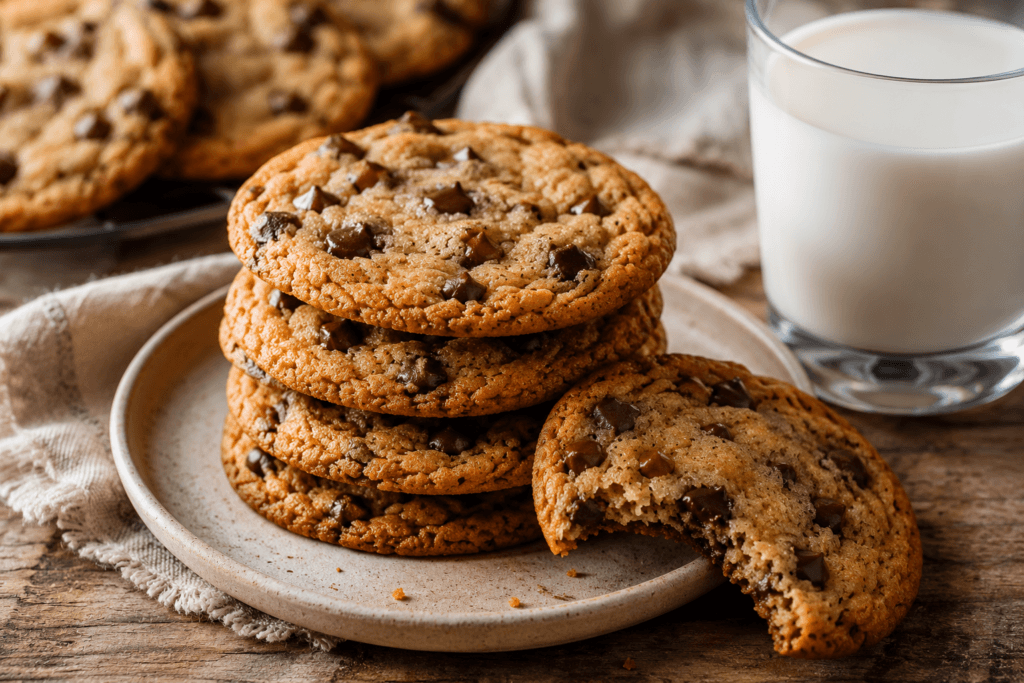
- Store in an airtight container at room temperature – never in the fridge, which introduces moisture
- Skip adding a slice of bread to the container (a common trick for chewy cookies) – for crispy cookies, keep the container as dry as possible
- Avoid stacking cookies while still warm, as trapped steam will soften them
I keep mine in a container with a silica packet tucked in the lid, which has kept cookies crunchy for up to five days in humid weather.
FAQs
What makes cookies crispy instead of chewy? A higher ratio of white sugar to brown sugar, melted butter, thinner shaping, and a slightly longer bake time all contribute to a crispy texture rather than a soft, chewy one.
Can I make crispy chocolate chip cookies without eggs? Yes. A flax egg, condensed milk, or plain yogurt can each replace eggs while still allowing the cookies to crisp up properly.
How long do crispy cookies stay fresh and crunchy? Stored in an airtight container at room temperature, crispy cookies typically stay crunchy for 4–5 days, especially with a moisture-absorbing packet inside.
Why did my cookies turn out soft instead of crunchy? The most common causes are too much flour, too much brown sugar, or underbaking. Even a minute or two of extra time in the oven can make a significant difference.
What’s the difference between thin-crispy and thick-crunchy cookies? Thin-crispy cookies use more melted butter and spread further, baking through evenly for a light, shattering texture. Thick-crunchy cookies use less spread and rely more on extended bake time to dry out the center while keeping a firmer bite.
Can I freeze crispy chocolate chip cookie dough? Yes. Scoop the dough into balls, freeze on a tray until solid, then store in a freezer bag for up to 3 months. Bake straight from frozen, adding 1–2 extra minutes to the bake time.
Do I need to chill the dough before baking crispy chocolate chip cookies?
No, chilling isn’t required for this recipe since the melted butter already helps the dough spread properly. However, a 30-minute chill can slightly reduce spread and deepen the flavor if you prefer a thicker edge.
What type of chocolate chips work best for crispy chocolate chip cookies?
Semi-sweet chocolate chips hold their shape best during baking and balance the sweetness of the dough. Dark chocolate chunks work well too if you want a less sweet, more intense chocolate flavor.
You Might Also Like
- Crispy Chocolate Cookie Recipe
- Chocolate Chip Cookies Without Brown Sugar
- Mini Chocolate Chip Cookies
- Crisco Cookie Recipe
- Soft and Chewy Dairy-Free Chocolate Chip Cookies
Final Thoughts
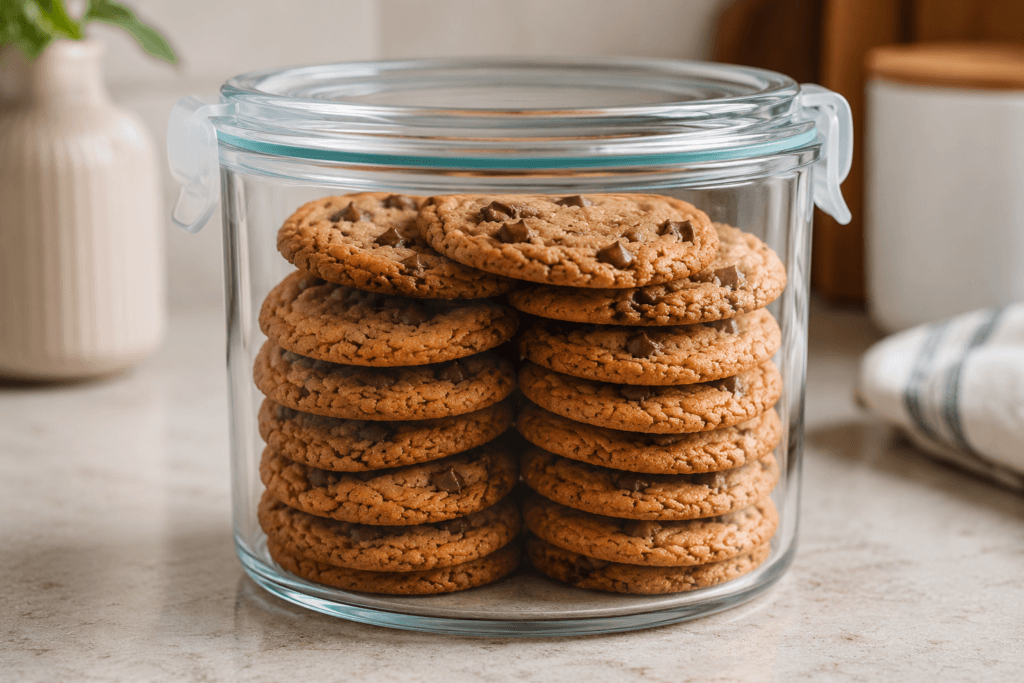
Getting a truly crispy chocolate chip cookie comes down to understanding a few simple variables – sugar ratio, butter temperature, and bake time – rather than following a totally different recipe. Once you get the ratios right, it’s a texture you can replicate every single time.
Give this recipe a try, and if you experiment with a variation or your own crunch trick, I’d love to hear how it turns out in the comments.