
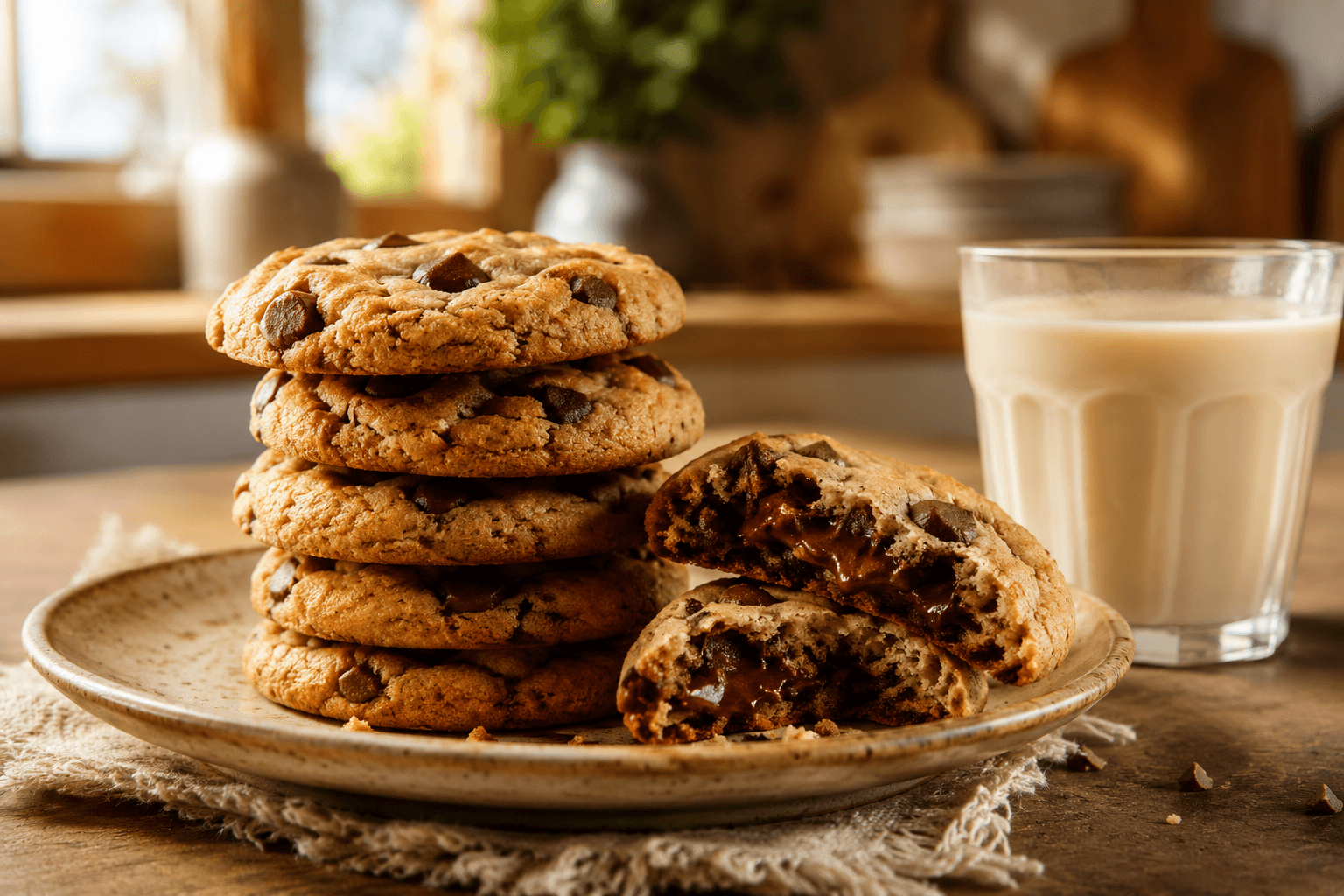
It happened on a weekend when I had guests coming over who couldn’t have dairy – no butter, no milk chocolate, nothing. I stared at the bottle of oil on my counter and thought, “let’s just try it.” That’s how I stumbled onto these easy dairy free cookies: the first batch spread too thin and the centers were a little gummy, but a few tries later I had a recipe that’s now my go-to.
Today I’m sharing that exact recipe – made with simple, oil-based ingredients, no butter, no dairy substitutes to hunt down. Along the way, you’ll also get a healthier variation, smart substitutions, and storage tips.
Why Make Dairy Free Cookies at Home
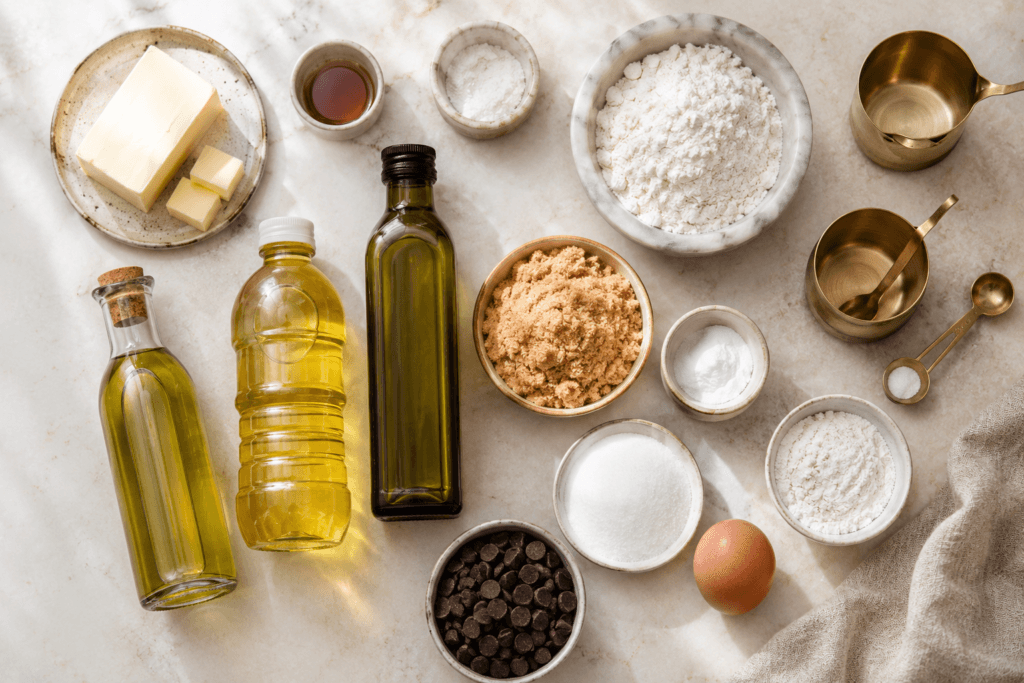
There are a few reasons I stopped relying on store-bought dairy free cookies after that first summer:
- You control every ingredient. No hidden milk powder, no mystery preservatives.
- It’s cheaper. A bottle of oil and pantry staples go a lot further than a $6 box of specialty cookies.
- They taste fresher. Homemade always beats shelf-stable, especially with oil-based dough – it stays soft longer.
My first attempt taught me the biggest lesson the hard way: not all oils behave the same. I used a light olive oil the first time, and the cookies came out with a strange aftertaste. Switching to a neutral oil like avocado or vegetable oil fixed that completely – a small change that made a huge difference. This tracks with what professional test kitchens have found too: King Arthur Baking’s fat-substitution testing shows that oil-based cookies tend to be cakier, softer, and less prone to drying out than butter-based ones. This is really where dairy free cookies no butter stopped feeling like a compromise and started feeling like a genuine upgrade for me.
Why You’ll Love These Easy Dairy Free Cookies
- Ready in just 20 minutes, start to finish
- No butter required – just pantry staples
- Soft, chewy texture that stays fresh for days
- Made with simple, everyday ingredients
- Easy to adapt into a vegan version
- Freezer-friendly, so you can bake now or save for later
What You’ll Need
Equipment
- Mixing bowl
- Whisk or hand mixer
- Baking sheet
- Parchment paper
- Measuring cups and spoons
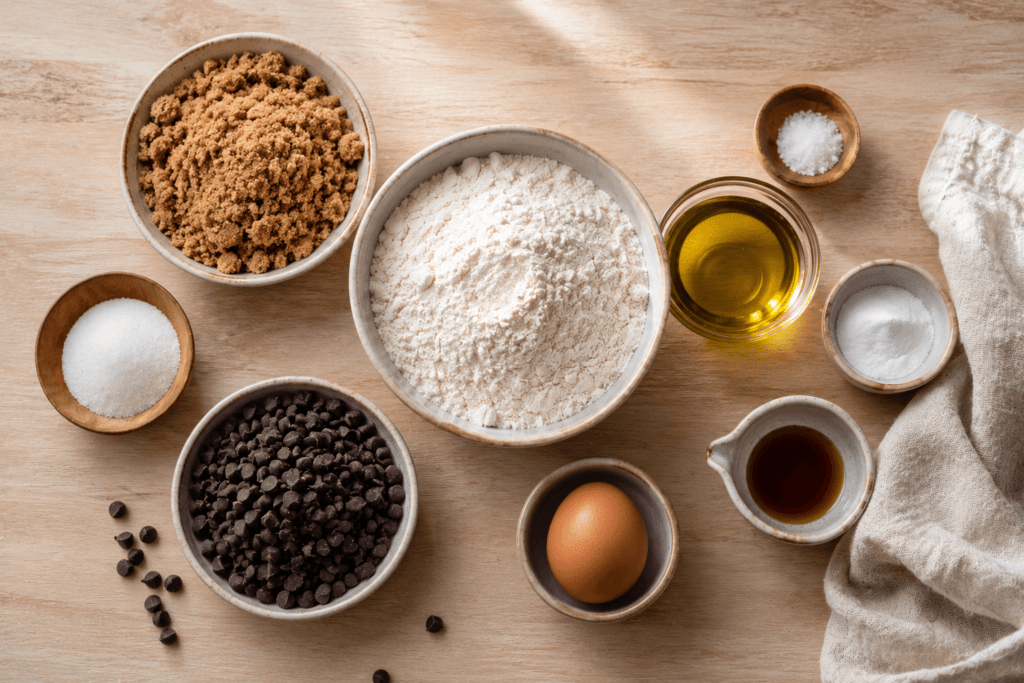
Ingredients
- 1 ¾ cups all-purpose flour
- ½ teaspoon baking soda
- ¼ teaspoon salt
- ½ cup neutral oil (vegetable, avocado, or canola)
- ¾ cup brown sugar, packed
- ¼ cup granulated sugar
- 1 large egg (or flax egg for egg-free)
- 1 teaspoon vanilla extract
- 1 cup dairy-free chocolate chips (optional, but recommended for the best flavor)
Ingredient Notes
Oil Use avocado, vegetable, or canola oil for the best, most neutral flavor. Avoid extra virgin olive oil – I learned this one the hard way, and it left a noticeable, slightly bitter aftertaste in the finished cookies.
Brown Sugar Packed brown sugar keeps these cookies soft and chewy. Light or dark brown sugar both work; dark brown sugar gives a slightly richer, more caramel-like flavor.
Egg A room-temperature egg blends more smoothly into the oil mixture. If you need an egg-free version, a flax egg (1 tablespoon ground flaxseed + 3 tablespoons water) works well as a 1:1 swap.
Chocolate Chips If you’re baking for someone with a milk allergy rather than just a preference, double-check the label and choose certified dairy-free chocolate chips – some “semi-sweet” brands still contain trace milk fat. FoodAllergy.org’s label-reading guide is a good resource if you’re new to spotting hidden dairy on ingredient lists.
Easy Dairy Free Cookies Recipe
Prep Time: 10 minutes
Cook Time: 10–12 minutes
Total Time: 20–22 minutes
Servings: 18 cookies
Yield: 18 cookies
Nutrition (Per Cookie, Approx.)
| Nutrition | Amount |
|---|---|
| Calories | 140 |
| Carbs | 19g |
| Protein | 2g |
| Fat | 6g |
| Sugar | 10g |
| Fiber | 1g |
| Sodium | 80mg |
Values are estimates and will vary based on the exact ingredients and brands used.
Step-by-Step Instructions
- Preheat your oven to 350°F (175°C) and line your baking sheet with parchment paper.
- In a bowl, whisk together the flour, baking soda, and salt. Set aside.
- In a separate bowl, whisk the oil, brown sugar, and granulated sugar until smooth and slightly glossy.
- Add the egg and vanilla extract, whisking until fully combined.
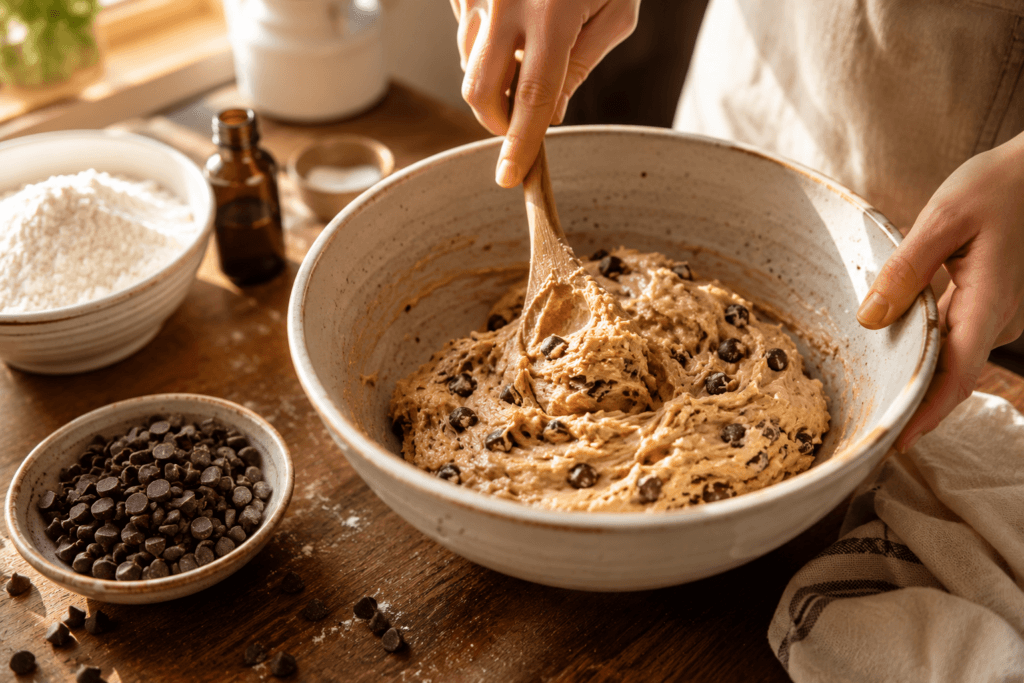
- Gradually fold the dry ingredients into the wet mixture until just combined – don’t overmix.
- Fold in your chocolate chips or preferred mix-ins.
- Scoop tablespoon-sized balls of dough onto the baking sheet, spacing them about 2 inches apart.
- Bake for 10–12 minutes, until the edges are lightly golden but the centers still look slightly underdone.
- Let the cookies rest on the baking sheet for 5 minutes before transferring to a wire rack.
My Personal Tip
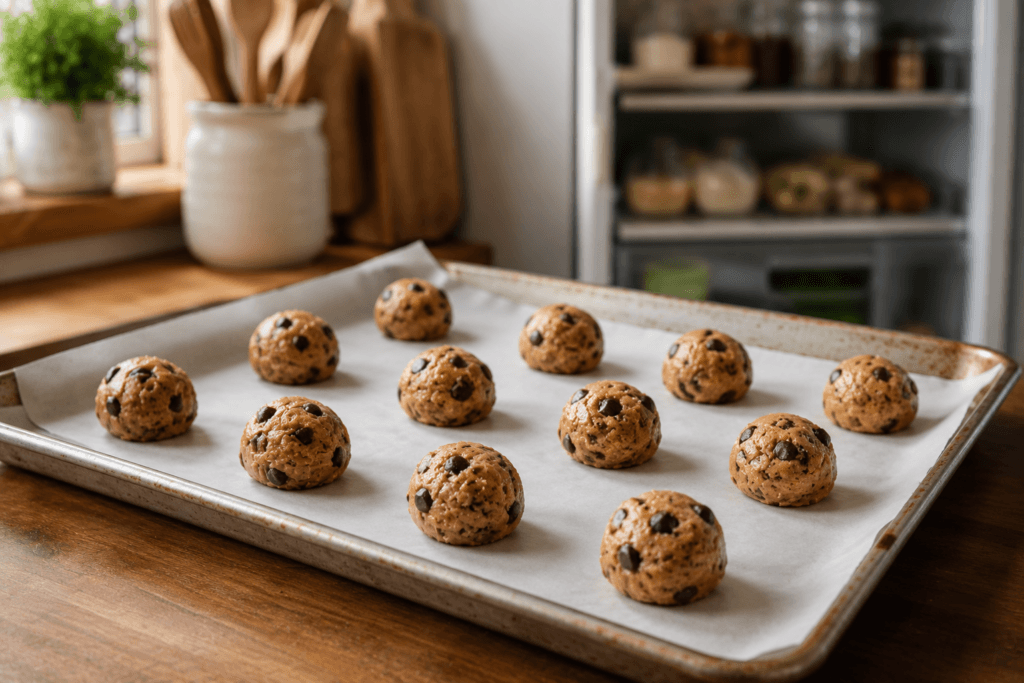
The single biggest fix that changed my results: chill the dough for 15–20 minutes before baking. When I skipped this step, my cookies spread too thin because oil-based dough is naturally looser than butter-based dough. That short chill firms things up just enough to keep the shape while still baking soft in the middle. This same dough is what makes it such a reliable dairy free cookie recipe with oil – no butter substitutes to fuss over, just measure and mix.
Expert Baking Tips
- Spoon and level your flour instead of scooping directly from the bag – scooping packs in extra flour and dries out the dough.
- Chill the dough for at least 15 minutes before baking for the best shape and texture.
- Don’t flatten the dough balls before baking; they’ll spread naturally in the oven.
- Let cookies rest on the baking sheet for 5 minutes before moving them – they’re too soft to handle straight out of the oven.
- Store cookies only after they’ve cooled completely, or trapped steam will make them soggy.
Recipe Notes
- This dough also works well as a base for dairy free cookie dough you can portion and freeze ahead of time.
- Want a chocolate-forward version instead? My dairy free chocolate chip cookies use a similar base with a few tweaks for extra chew.
- Double the batch if you’re baking for a crowd – the dough freezes well, so you can bake half now and save half for later.
Substitutions & Variations
One thing I love about this recipe is how flexible it is.
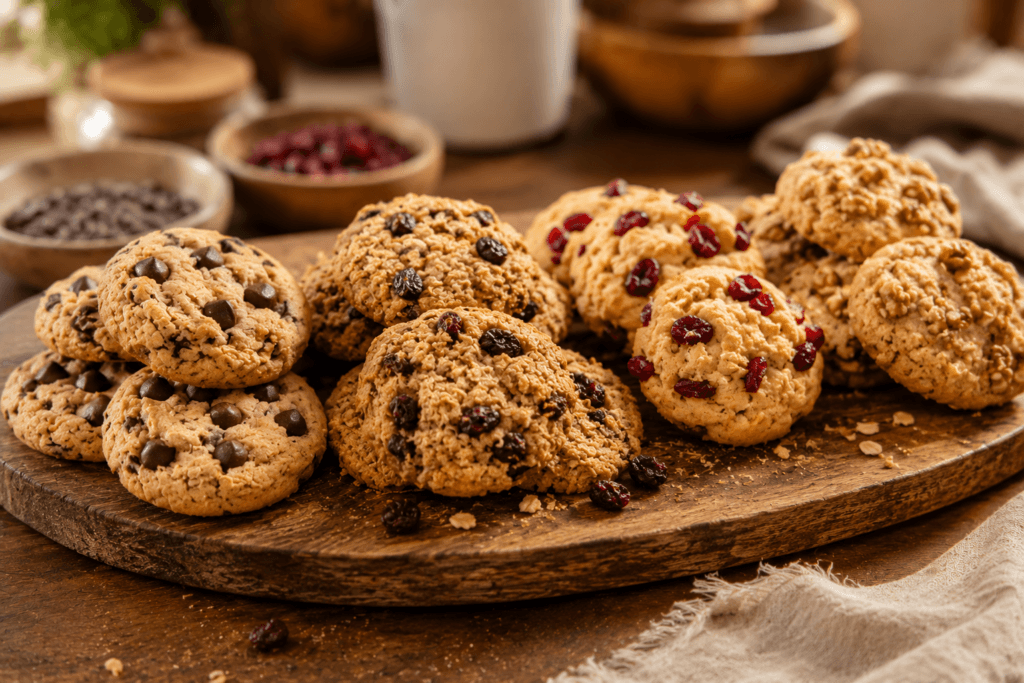
- For a healthier version: Swap half the sugar for coconut sugar, add ½ cup rolled oats for texture, and reduce the oil slightly to ⅓ cup. This gives you a version that leans more toward healthy dairy free cookies without losing that chewy bite.
- No chocolate chips? No problem. Swap them for raisins, chopped walnuts, dried cranberries, or a simple cinnamon-sugar swirl. This makes for an easy dairy free cookie recipe no chocolate chips that still feels indulgent.
- Egg-free option: Replace the egg with 1 tablespoon ground flaxseed mixed with 3 tablespoons water, rested for 5 minutes. This same swap works if you’d rather start from a vegan cookie dough base.
- Gluten-free option: Swap the all-purpose flour for a 1:1 gluten-free baking blend.
Storage & Freezing Tips
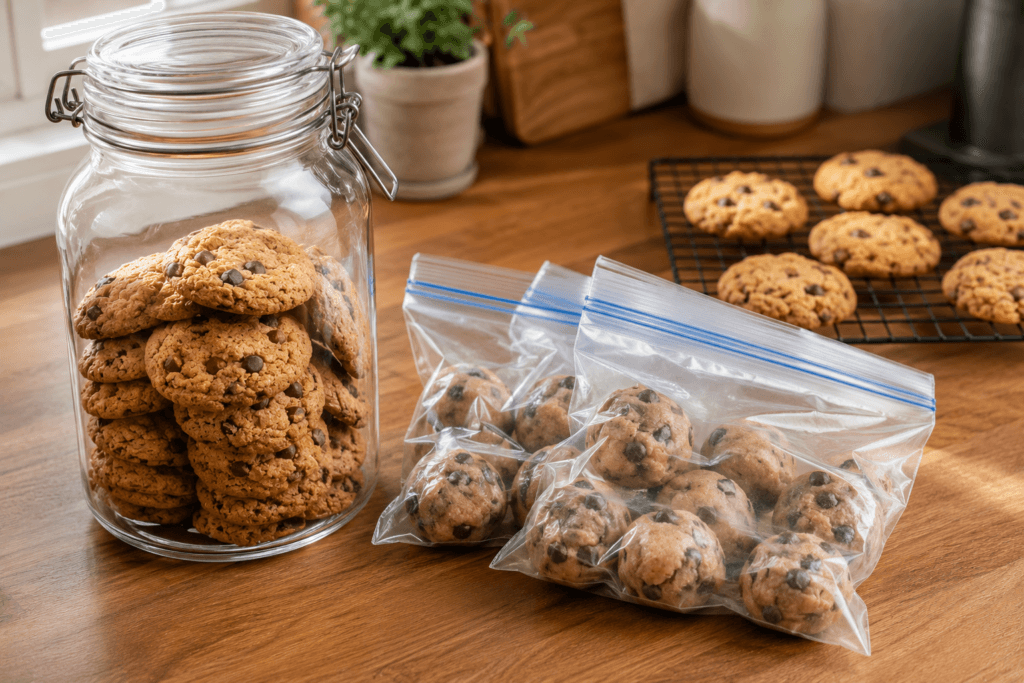
- Room temperature: Store in an airtight container for up to 5 days.
- Freezing baked cookies: Layer with parchment paper in a freezer-safe container for up to 3 months. Thaw at room temperature for 20 minutes.
- Freezing raw dough: Scoop dough balls onto a tray, freeze until solid, then transfer to a freezer bag. Bake straight from frozen, adding 2 extra minutes to the bake time.
- Reheating: A quick 10 seconds in the microwave brings back that fresh-from-the-oven softness.
Where to Buy Dairy Free Cookies (If You’re Short on Time)
No time to bake? Health food stores, major grocery chains, and online retailers all carry dairy-free options these days – availability is generally strongest in the US and Canada, with the UK and Australia close behind. If you’d rather browse more homemade options first, my cookies without milk roundup is a good place to start.
Common Mistakes to Avoid
- Using cold eggs straight from the fridge – this can make the oil separate slightly. Let ingredients come to room temperature first.
- Overmixing the dough – this leads to dense, tough cookies instead of soft ones.
- Skipping the chill time – as mentioned above, this is the most common reason cookies spread too thin.
- Overbaking – pull them out when the centers still look slightly soft; they’ll firm up as they cool.
Avoiding these small mistakes is really what separates an average batch from the best dairy free cookies recipe you’ll keep coming back to.
Troubleshooting
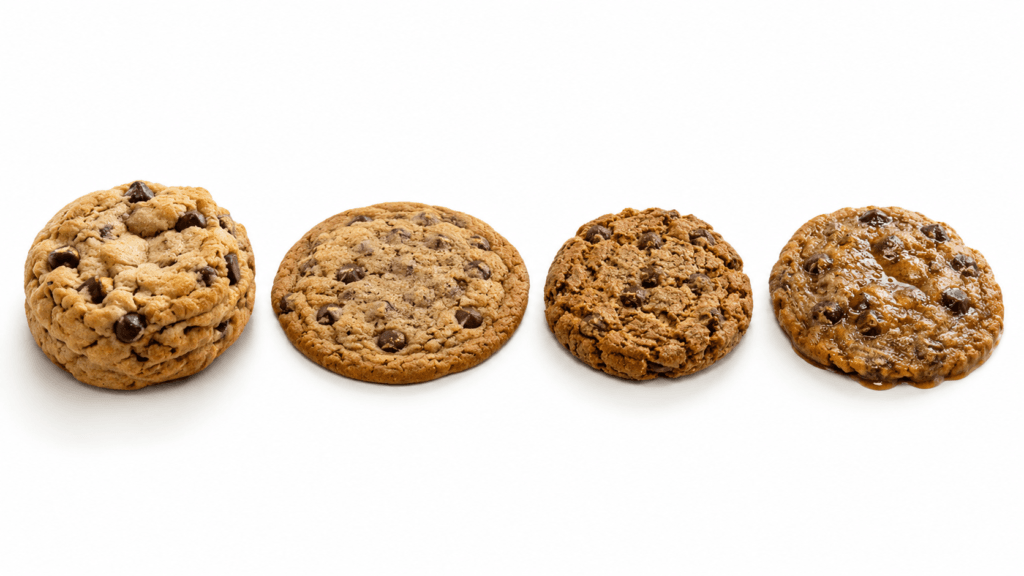
Even with the mistakes above in mind, sometimes a batch still doesn’t turn out right. Here’s how I diagnose the most common issues:
Why did my cookies spread too much? Usually the dough was too warm or wasn’t chilled long enough. Pop it in the fridge for 15–20 minutes and try again.
Why are my cookies dry? This is almost always too much flour (scooping instead of spooning and leveling) or baking a minute or two too long.
Why are they greasy? Too much oil, or flour that wasn’t measured correctly. Double-check you’re using ½ cup of oil, not more.
Why are they hard instead of soft? Overbaking is the most common cause. Pull them out while the centers still look slightly underdone – they firm up as they cool.
Why did my cookies turn out flat? This usually means the baking soda is old, or the dough wasn’t chilled. Fresh baking soda and a short chill fix this almost every time.
FAQs
What can I use instead of butter in dairy free cookies? Neutral oils like vegetable, canola, or avocado oil work best. They keep the cookies soft and moist without any dairy.
Are dairy free cookies healthier than regular cookies? Not automatically – it depends on the recipe. Removing dairy doesn’t reduce sugar or fat by itself, but swapping in oats, coconut sugar, and less oil (as shown above) can make them a genuinely lighter option.
Can I make dairy free cookies without chocolate chips? Yes. Raisins, nuts, dried fruit, or a cinnamon swirl all work well as substitutes without changing the base recipe.
How long do homemade dairy free cookies last? Up to 5 days at room temperature in an airtight container, or up to 3 months in the freezer.
Can I freeze dairy free cookie dough? Yes – scoop, freeze until solid, then store in a freezer bag. Bake straight from frozen with a couple of extra minutes added.
Can I use coconut oil instead? Yes, though coconut oil is solid at room temperature, so melt it first and let it cool slightly before mixing. It will add a very faint coconut flavor.
Can I use almond flour instead of all-purpose flour? Almond flour behaves quite differently – it’s denser and has no gluten, so a 1:1 swap won’t work well. A gluten-free 1:1 baking blend is a safer substitute if you need to avoid regular flour.
Which dairy-free chocolate chips work best? Look for chips labeled “dairy-free” or “vegan” on the package rather than just “semi-sweet,” since some semi-sweet chips still contain milk fat.
Can kids eat dairy free cookies? Yes – dairy free cookies are perfectly safe for kids, whether they have a dairy allergy, lactose intolerance, or you simply prefer to avoid dairy at home.
Final Thoughts
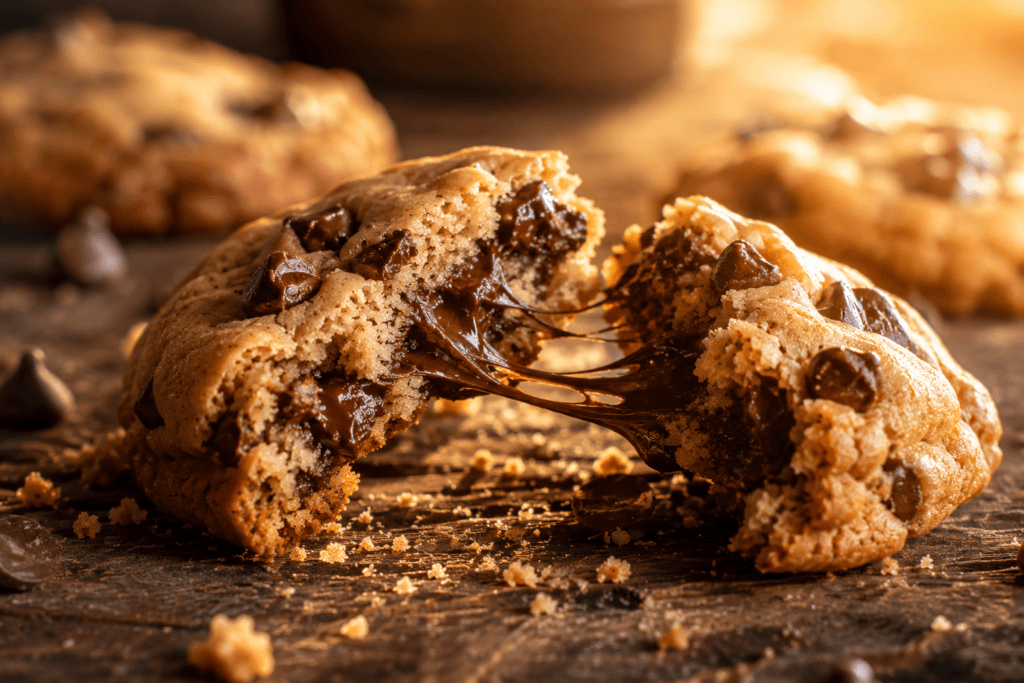
What started as a last-minute kitchen improvisation turned into one of my most-used recipes. These easy dairy free cookies have become the one I reach for whenever I’m baking for guests with different dietary needs – because they genuinely taste just as good as the classic version, not like a compromise.
If you try this recipe, I’d love to hear how it turns out for you. And if you’re looking for more allergy-friendly bakes, check out my lactose free cookies collection next – it pairs perfectly with this one for a mixed dessert tray.
If you made this recipe, leave a comment below and share your favorite mix-ins. Your feedback helps other home bakers too.