
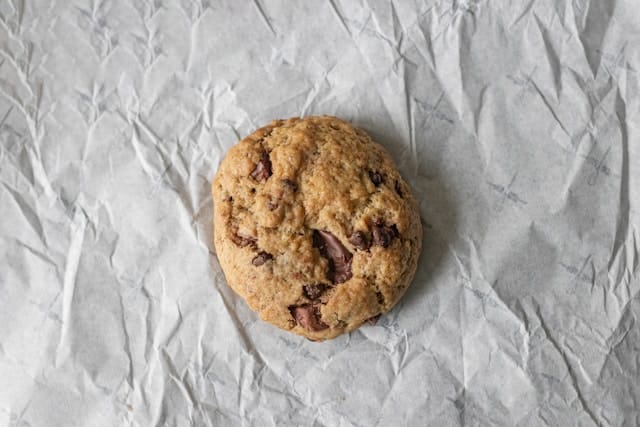
Homemade almond cookies are a simple and satisfying dessert that combines the rich taste of butter with the delicate flavor of almonds. These cookies have a tender texture, lightly crisp edges, and a pleasant nutty aroma that fills the kitchen while they bake. They are easy enough for everyday baking and elegant enough to serve during holidays, celebrations, afternoon tea, or family gatherings.
The combination of butter and almonds gives these cookies a distinctive flavor without requiring complicated ingredients. Ground almonds add natural richness and a slightly delicate texture, while almond extract can enhance the nutty character of the finished cookies. A small amount of sugar provides sweetness without overpowering the buttery flavor.
Making almond cookies from scratch is also an excellent way to control the ingredients and customize the final result. You can make them softer or crispier depending on baking time, add sliced almonds for extra crunch, or dip the cooled cookies in chocolate for a more indulgent variation.
This recipe provides a reliable method for creating buttery almond cookies with a tender center and lightly golden edges. With careful measurements and a few simple baking techniques, you can prepare a batch of homemade cookies that tastes fresh, fragrant, and satisfying.
What Makes Almond Cookies So Delicious?
Almond cookies are appealing because they have a balanced combination of sweetness, butter, and nutty flavor.
Butter provides the main richness and contributes to the tender texture. Almond flour or finely ground almonds adds natural nuttiness while also making the cookies slightly more delicate.
Almond extract can provide an even stronger almond aroma, although only a small amount is needed. Too much extract can overpower the other flavors.
The texture can also be adjusted according to personal preference. A shorter baking time produces softer cookies, while slightly longer baking creates crispier edges and a firmer texture.
Ingredients for Homemade Almond Cookies
For approximately 24 medium-sized cookies, you will need:
- 1 cup (226 grams) unsalted butter, softened
- 3/4 cup (150 grams) granulated sugar
- 1 large egg
- 1 teaspoon vanilla extract
- 1 teaspoon almond extract
- 1 1/2 cups (190 grams) all-purpose flour
- 1 cup (96 grams) finely ground almonds or almond flour
- 1/2 teaspoon baking powder
- 1/2 teaspoon salt
Optional ingredients include:
- 1/2 cup sliced almonds
- 1/2 cup finely chopped almonds
- A small amount of powdered sugar
- 1/2 cup melted chocolate for dipping
- A few whole almonds for decoration
Use unsalted butter when possible so you can control the amount of salt in the recipe.
How to Make Buttery Almond Cookies
1. Prepare the Oven
Preheat the oven to 350°F (175°C).
Line a baking sheet with parchment paper.
Parchment paper helps prevent the cookies from sticking and makes cleanup easier.
If you are baking several batches, allow the baking sheet to cool before placing fresh dough on it. A hot baking sheet can cause the butter in the dough to melt too quickly.
2. Cream the Butter and Sugar
Place the softened butter and granulated sugar in a large mixing bowl.
Beat until the mixture becomes smooth, creamy, and slightly fluffy.
The butter should be soft enough to mix easily but should not be melted.
Creaming the butter and sugar helps distribute the ingredients evenly and contributes to the final texture of the cookies.
Avoid overbeating for an excessive amount of time because the goal is a smooth mixture rather than a dramatically increased volume.
3. Add the Egg and Extracts
Add the egg and mix until fully incorporated.
Add the vanilla extract and almond extract.
Mix until the ingredients are evenly combined.
The almond extract provides a concentrated almond flavor, while vanilla adds balance and rounds out the overall taste.
4. Combine the Dry Ingredients
In a separate bowl, whisk together the all-purpose flour, almond flour, baking powder, and salt.
This helps distribute the baking powder and salt evenly.
If your almond flour contains larger pieces, you can sift the dry ingredients to create a more uniform dough.
5. Combine the Wet and Dry Ingredients
Gradually add the dry ingredients to the butter mixture.
Mix gently until a soft cookie dough forms.
Avoid overmixing once the flour has been incorporated.
The dough should be soft but firm enough to shape.
If it feels unusually sticky, refrigerate it for a short period before forming the cookies.
Choosing the Right Almonds
The type of almonds you use can influence the flavor and texture of the cookies.
Finely ground almonds or almond flour create a tender texture and distribute the nutty flavor throughout the dough.
If using whole almonds, grind them finely in a food processor. Avoid processing them for too long because the natural oils can cause the almonds to turn into almond butter.
Sliced or chopped almonds can also be added for extra crunch.
For a deeper flavor, lightly toast the almonds before adding them to the dough. Allow them to cool completely before mixing them into the cookie dough.
Why Almond Extract Is Useful
Almond extract has a concentrated flavor, so a small amount can make a noticeable difference.
It enhances the natural almond flavor from the ground almonds and gives the cookies a distinctive aroma.
If you prefer a subtle almond flavor, reduce the amount slightly. If you want the almond flavor to be more pronounced, you can increase it carefully.
Avoid adding too much because almond extract can become overpowering.
Should Almond Cookie Dough Be Chilled?
Chilling the dough is optional but can be helpful.
If the dough feels soft or difficult to shape, cover it and refrigerate it for approximately 30 minutes.
Chilling firms the butter and makes the dough easier to handle. It can also reduce spreading during baking.
For thicker cookies, chilling is particularly useful.
If the dough is already firm and easy to shape, you can bake it immediately.
How to Shape Almond Cookies
Use a cookie scoop or tablespoon to portion the dough.
Roll each portion gently between your hands to form a ball.
Place the dough balls on the prepared baking sheet with approximately 2 inches between them.
Gently flatten each ball using your palm or the bottom of a glass.
You can also create a small indentation in the center and add a whole almond for decoration.
If using sliced almonds, press a few onto the surface before baking.
Try to make the portions similar in size so that all the cookies bake evenly.
How Long Should Almond Cookies Bake?
Bake the cookies at 350°F (175°C) for approximately 10 to 13 minutes.
The edges should become lightly golden while the centers remain relatively pale and soft.
Do not wait for the entire cookie to become deeply browned. Overbaking can make almond cookies dry and reduce their delicate buttery texture.
After removing the cookies from the oven, allow them to rest on the baking sheet for approximately 5 minutes.
Transfer them carefully to a wire rack to cool completely.
The cookies will firm as they cool.
How to Keep Almond Cookies Buttery and Tender
The quality and temperature of the butter are important.
Use softened butter rather than melted butter. Softened butter creams properly with the sugar and helps produce a tender texture.
Accurate flour measurement is also essential. Too much flour can make the cookies dense and dry.
Almond flour contributes moisture and richness, but it should still be measured carefully.
Finally, avoid overbaking. The cookies should be lightly golden around the edges rather than deeply browned.
Common Almond Cookie Mistakes
Using Melted Butter
Melted butter can make the dough too soft and cause excessive spreading. Use softened butter instead.
Adding Too Much Flour
Extra flour can produce dry, dense cookies. Measure the flour carefully.
Overbaking
Almond cookies should remain relatively light in color. Baking them too long can make them hard.
Using Too Much Almond Extract
Almond extract is concentrated. Too much can create an overpowering flavor.
Overprocessing Almonds
If grinding whole almonds, avoid processing them until they become oily or paste-like.
Placing Dough on a Hot Baking Sheet
A hot sheet can cause the butter to melt before the cookies begin baking properly.
Easy Almond Cookie Variations
Chocolate-Dipped Almond Cookies
Once the cookies have cooled completely, dip half of each cookie into melted chocolate. Allow the chocolate to set before serving.
Almond Shortbread Cookies
Increase the butter slightly and simplify the dough for a more traditional shortbread-style texture.
Orange Almond Cookies
Add finely grated orange zest to the dough for a bright citrus flavor.
Almond Coconut Cookies
Add shredded coconut for additional texture and a subtle tropical flavor.
Cinnamon Almond Cookies
Add a small amount of ground cinnamon for a warm, spiced variation.
Almond Jam Cookies
Create a small indentation in each dough ball and fill it with a small amount of fruit jam before baking.
How to Store Almond Cookies
Allow the cookies to cool completely before storing them.
Place them in an airtight container at room temperature.
Separate layers with parchment paper if necessary.
Proper storage helps protect the buttery texture and prevents the cookies from becoming stale.
Keep the container away from direct sunlight and excessive heat, especially if the cookies contain a chocolate coating.
For the best flavor and texture, enjoy the cookies within several days.
Can Almond Cookies Be Frozen?
Yes. Almond cookies can be frozen either before or after baking.
To freeze baked cookies, allow them to cool completely and place them in a freezer-safe airtight container.
Separate layers with parchment paper to prevent sticking.
To freeze unbaked dough, portion it into individual balls and place them on a tray until firm. Transfer the frozen portions to a freezer-safe container or bag.
When ready to bake, place the frozen dough on a prepared baking sheet and allow additional baking time if necessary.
Freezing dough allows you to enjoy freshly baked almond cookies without preparing the entire recipe each time.
Tips for Perfect Almond Cookies
For consistent results, keep these tips in mind:
- Use softened unsalted butter.
- Measure flour and almond flour accurately.
- Choose fresh almonds with a pleasant aroma.
- Use almond extract sparingly.
- Avoid overmixing the dough.
- Chill the dough if it feels too soft.
- Keep cookie portions evenly sized.
- Leave enough space between cookies.
- Avoid overbaking.
- Allow cookies to cool before storing.
- Use an airtight container for storage.
These simple techniques help create cookies with a tender texture and rich buttery almond flavor.
Frequently Asked Questions
Can I use almond flour instead of ground almonds?
Yes. Finely ground almond flour works very well and provides a smooth, tender texture.
Can I use whole almonds?
Yes. Whole almonds can be finely ground at home or chopped and added for extra texture.
Can I make these cookies without almond extract?
Yes. The cookies will still have almond flavor from the ground almonds, although the flavor will be more subtle.
Why are my almond cookies spreading?
The butter may have been too warm or the dough may have been too soft. Chilling the dough can help reduce spreading.
Why are my cookies hard?
Overbaking is a common reason. Remove the cookies when the edges are lightly golden and the centers are still relatively soft.
Can I add chocolate?
Yes. Chocolate pairs particularly well with almonds. You can add chocolate chips to the dough or dip the cooled cookies in melted chocolate.
Serving Suggestions
Buttery almond cookies are excellent with coffee, tea, hot chocolate, or a glass of milk.
They can be served as part of a dessert platter or alongside other homemade cookies during celebrations.
For a more elegant presentation, dust cooled cookies lightly with powdered sugar or decorate them with sliced almonds.
Chocolate-dipped almond cookies also make attractive homemade gifts when packaged carefully in a decorative container.
Because their flavor is relatively delicate, almond cookies can be especially enjoyable with beverages that are not overly sweet.
Final Thoughts
Homemade almond cookies are an easy dessert that delivers a rich buttery flavor and pleasant nutty aroma without requiring complicated baking techniques. The combination of softened butter, sugar, almond flour, and almond extract creates a tender cookie that is both comforting and versatile.
The most important factors are using the correct amount of flour, choosing good-quality almonds, avoiding excessive almond extract, and baking the cookies only until the edges become lightly golden. Chilling the dough can also help produce thicker cookies and make the dough easier to handle.
There are many ways to customize the basic recipe. Chocolate, orange zest, coconut, cinnamon, jam, and additional almonds can all provide new flavors while keeping the buttery almond foundation intact.
Whether served with afternoon tea, included on a holiday cookie tray, or packaged as a homemade gift, these almond cookies are a dependable dessert for many occasions. Their tender texture, subtle sweetness, and deliciously buttery almond flavor make them a simple recipe worth keeping in your baking collection.

